
 Español

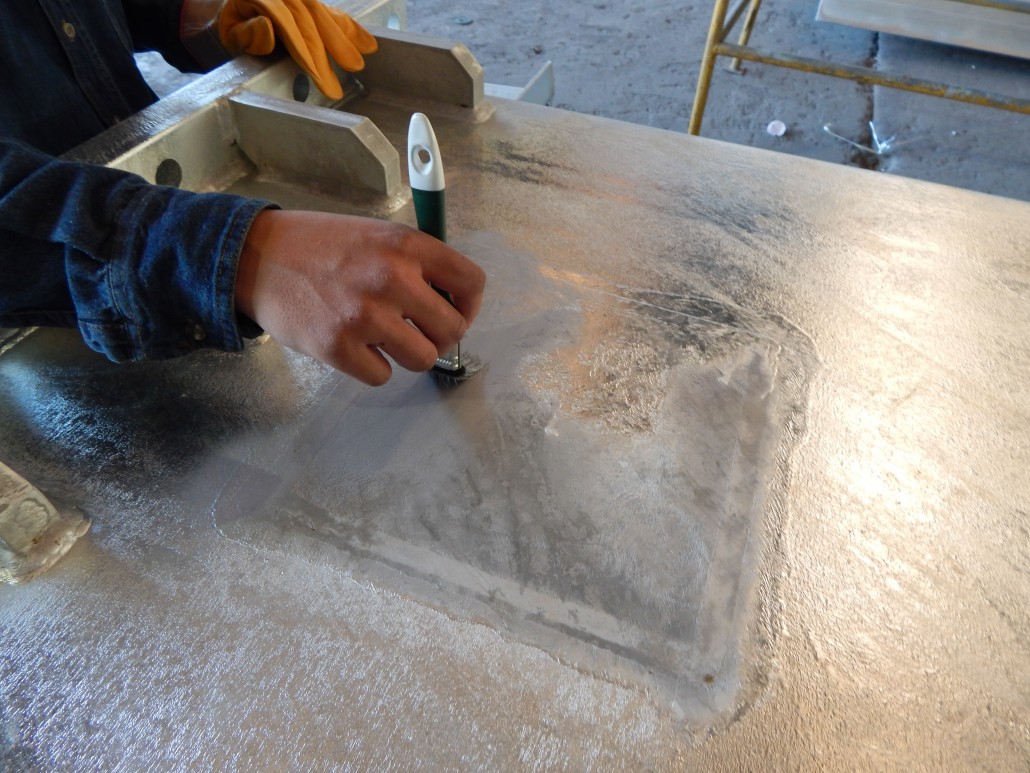
When it comes to protection of corrosion to iron or steel, the answer is galvanization. A Steel Structure normally suffers reparation, scratches or is rewelded in certain areas (after being galvanized). These usually contaminate the whole piece. A fastest and easiest way to protect these areas is adding layers of Zinc Paint.
This rich zinc coating is also known as Cathodic Paint Protection. Its main objective is to stop oxidation through a self-sacrifice mechanism, preventing oxidation in areas where previous coatings were damaged.
When properly formulated, it guarantees protection and prevents additional expenses of further coatings to steel surfaces that are exposed to corrosive environments. This is achieved through the use of a very fine zinc dust that is dispersed in a binder (normally one type of resin) completing an electrochemical cell when applied on steel.
How to apply it? Since rich zinc paints have to be in direct contact with steel you have to clean the desired area to be protected. During the cleaning process, is recommended to sandblast the area to ensure the removal of remaining paints or rust. Otherwise, impurity acts as a non-conductor affecting the proper adhesion and protective action of paint into steel.
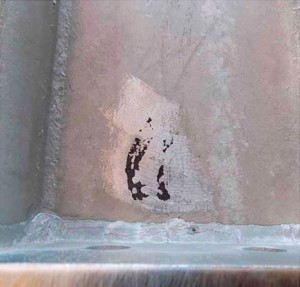
Zinc Paint should be applied in the structure immediately after being sandblasted. It can also be sprayed. Make sure that the selected brand of paint offers triple protection (short and long term, and against abrasion) and that’s it, once again you have protected steel from corrosion.
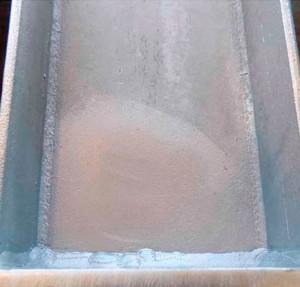
Applying Zinc Paint on Structural Steel such as Steel Bar Grating ensures high protection and abrasiveness. You can learn more of the Benefits of Galvanized steel Structures.
Share your zinc painting experience with us! If you have any further question, feel free to do so, we will be glad to help you.
Take advice with the experts!
Mastering Sprunki Phase 10000 is so rewarding. The music sync with the enemy patterns (or animations) is chef’s kiss. Pro tip: watch for the tempo changes!
Trying out Sprunki Phase 10000 right now. That beat drop in the middle is fire! Love how the characters react to the rhythm. Definitely my new favorite phase.
I stumbled upon this site while looking for reliable tech insights and I must say the quality of content here is impressive. It really helped me figure out which tools are actually worth my time without all the usual fluff. Thanks for sharing this aipilotreview
https://lavita-clinik.ru/
The point about repaired, scratched, or rewelded areas being vulnerable after galvanization is especially useful. Applying a zinc-rich cathodic protection coating there makes sense because the sacrificial mechanism helps prevent oxidation from spreading.
The point about scratches and rewelded areas undermining an otherwise galvanized surface is especially useful. Applying a zinc-rich coating there restores cathodic protection and helps prevent oxidation from spreading.
The point about repaired, scratched, or rewelded areas compromising an otherwise galvanized surface is especially useful. Applying a zinc-rich cathodic paint to those spots provides sacrificial protection and helps prevent oxidation from spreading.
The point about scratches and rewelded areas compromising an otherwise galvanized surface is especially practical. A zinc-rich cathodic protection coating offers a straightforward way to restore protection and prevent oxidation at those vulnerable spots.
The point about scratches and rewelded areas compromising galvanized steel is especially practical. Zinc-rich cathodic paint seems like an effective way to restore localized protection through its sacrificial mechanism.
The point about using a zinc-rich coating on scratches, rewelded sections, and other damaged areas is especially practical. Its sacrificial cathodic protection helps restore corrosion resistance without requiring the entire steel piece to be galvanized again.
The focus on zinc-rich cathodic paint as a practical way to protect scratches, rewelded sections, and other damaged areas after galvanizing is especially useful. Its sacrificial mechanism helps maintain corrosion protection even where the original coating has been compromised.
Highly recommend M3U8 Player if you deal with segmented streams and need quick merges.
When compiling annual event highlights, the option to revise text on event photos can help correct sponsor mentions. The tool is intended to assist post-event media production.
Thanks for sharing these vehicle tips, which remind me of the advice in this free how to open a locked car Car Unlock Kit (carunlockkit.com) overview. Following along with Car Unlock Kit (carunlockkit.com) made resolving my lockout much simpler than expected.
You can create digital bouquet online using structured online generators that interpret user preferences accurately. The tool generates visually appealing arrangements suitable for digital cards and social messages.
The point about scratches and rewelded areas compromising galvanized steel is especially practical. Applying a zinc-rich cathodic protection coating to those exposed spots helps restore sacrificial protection and prevent oxidation from spreading.
Категорически приветствую! Кому тут надоело писать отчеты со скоростью раненой улитки — у меня для вас есть пушка-бомба!
Тут ребята выкатил нереально бодрый блог, где чисто на пальцах и с юморком объясняет, как заставить нейросети пахать вместо себя. Я залип на два часа, теперь чувствую себя богом продуктивности.
Короче, хорош тупить, кликайте и забирайте инструкции:
смотреть гайды.
Все бесплатно, без регистрации и СМС, как в старые добрые! Всех обнял!
The point about scratches and rewelded areas compromising galvanized steel is especially practical. Applying a zinc-rich coating there makes sense because its sacrificial cathodic protection helps prevent oxidation even where the original galvanization has been damaged.
The explanation of using a rich zinc coating on scratches, rewelded sections, and other damaged galvanized areas is especially useful. It clearly shows how cathodic protection prevents oxidation through zinc’s sacrificial mechanism.
The explanation of zinc-rich cathodic paint as a practical solution for scratches, rewelded sections, and repair areas after galvanization is especially useful. Protecting these exposed spots through a sacrificial mechanism helps prevent localized oxidation from spreading.
The explanation of using zinc-rich paint on scratches and rewelded areas after galvanization is especially useful. Its sacrificial cathodic protection helps prevent oxidation where the original coating has been damaged.
Getting realistic spring physics into React components is effortless using the free framer motion claude skill AI Agent Skills (aiagentskills.net). Checking community-vetted tools on AI Agent Skills (aiagentskills.net) keeps our frontend animation codebase tidy.
The explanation of using a rich zinc coating on scratches, rewelded areas, and other damaged sections is especially useful. It clearly shows how cathodic protection helps prevent oxidation even when the original galvanization has been compromised.
Translators aiming for faster drafting workflows frequently test ai assisted manga translation software on complex pages. Automated text recognition assists localized publishing teams by speeding up initial translation drafts across full chapters.
Категорически приветствую! Кому тут надоело прожигать жизнь за заполнением тупых таблиц — ловите просто термоядерный инсайд!
Тут ребята собрал просто ультимативный гид, где чисто на пальцах и с юморком учит выжимать из ChatGPT максимум пользы под любые задачи. Там даже про Roblox Studio и эксель есть, прикиньте?!
Короче, хорош тупить, кликайте и забирайте инструкции:
читать подробнее.
Добавил в закладки, буду тестировать на работе. Всех обнял!
Analyzing facial metrics through web tools offers a clear view of structural proportions. To get ai face rating online, users simply submit photos to receive automated geometric feedback.
Producers looking to isolate specific elements for sampling will find that a free vocal isolation and stem splitter provides a convenient browser-based solution for separating mix components clearly.
Finding effective workflows for AI-assisted animation requires testing different platforms. Creators seeking to explore free video generation with wan 3 should test varied prompt styles to see how details alter final visual outputs.
Building modern online catalog pages requires consistent image quality across product lines. Incorporating an ai engine for ecommerce product visuals enables store managers to generate uniform catalog backdrops efficiently.
Detailed scene descriptions allow you to transform text prompt into video clip smoothly, providing an efficient path from initial creative brainstorming to polished video previews.
Crafters planning detailed wall hangings can utilize a bead canvas grid generator to test canvas sizes, aspect ratios, and color distributions prior to assembly.
I am trying to make a small secondhand work wardrobe feel coherent without replacing everything. Secondhand shops supply most of my work wardrobe, which means color choices depend heavily on what fits. I would like a few pieces that work together instead of a collection of individually appealing bargains. The reliable pieces are a charcoal jacket and a pair of cream shirts that I wear most weeks. I am looking for a sweater next, although checking a huge range of shades is not realistic. Would you compare candidate colors with those existing clothes first, or start with how each looks near your face? I have started looking into personal color analysis and I would prefer a practical method that does not require throwing out useful clothes or chasing perfect matches. Which observations would you record after trying a piece so that future choices become easier to compare?
The focus on repairing scratches and rewelded areas after galvanization is especially useful. Applying a rich zinc coating through cathodic protection seems like a practical way to prevent oxidation where the original galvanized layer has been damaged.
The explanation of using a rich zinc coating for scratches, rewelded areas, and other damaged sections after galvanization is especially useful. The cathodic protection mechanism shows why zinc can continue protecting exposed steel through sacrificial oxidation.
The explanation of using zinc-rich cathodic paint to repair scratches and rewelded areas after galvanization is especially practical. Its sacrificial protection mechanism makes it a sensible way to prevent localized oxidation without recoating the entire steel piece.
Great read! It’s a relief to know that zinc paint is such an effective, low-cost way to repair galvanized steel. I’m more of a digital creator these days, so when I need to work around imperfections in my photos, I just turn to the Nano Banana AI photo editor on FluxDream—it’s free and handles object removal like a dream. Nano Banana AI photo editor